

Reclaiming Pleasure and Intimacy in Menopause in Today’s Midlife Journey
How Six Decades of Progress Led To Today's Midlife Pleasure Renaissance

If you’re like many women navigating midlife, menopause often evokes one immediate association: hot flashes. Yet menopause is far richer and more nuanced than hormonal shifts alone. Contrary to what used to be a popular opinion, menopause isn't about what's ending. Rather, menopause is about what’s beginning, and what continues—your insatiable pursuit of a fulfilling life.
Today, in 2025, we benefit profoundly from generations of feminists and advocates who courageously reshaped the narrative around women’s sexuality and aging. As a woman born on the cusp of the end of the Baby Boomers generation and the beginning of the Gen X generation (aka Generation Jones), I was too young at the time to grasp the enormity of the battles being fought by the women of that time. But thanks to their relentless advocacy, at sixteen, I was able to walk into a Planned Parenthood to get birth control without parental consent or judgment, freeing me to responsibly navigate my sexuality.
Now, in my own liberated midlife, with the freedom to pursue intimacy openly and safely during menopause, I recognize none of us would be here without their courage and bravery. These women deserve their flowers, today and always. If you’re reading this and you’re one of them, thank you.
The Midlife Renaissance is a reader-supported publication. To receive new posts and support my work, consider becoming a free or paid subscriber.
Breaking the Taboo and Normalizing Midlife Sexuality
To fully appreciate today's liberated midlife sexuality, it helps to understand how far we've come. Here’s a brief history of the changing attitudes about aging and sexuality.
1960s: The approval of the birth control pill ignited the sexual revolution, allowing sex without fear of pregnancy. Yet midlife women's sexuality remained largely invisible, often portrayed negatively as the loss of youth and desirability.
Feminism flourished in the 1970s. Landmark books like Our Bodies, Ourselves and The Hite Report openly challenged myths around menopause, asserting sexuality remains vibrant throughout life and advocating for women's sexual pleasure at every age.
During the 1980s, pop culture began embracing the sexuality of older women. TV shows like The Golden Girls depicted women in their 50s and 60s as unapologetically vibrant and sexually active. Public figures like Dr. Ruth Westheimer normalized candid discussions of midlife intimacy.
The conversation further expanded in the 1990s. HBO’s Sex and the City (1998) broke new ground by normalizing frank conversations about women’s sexuality, relationships, and aging, paving the way for broader acceptance of midlife intimacy in mainstream culture, thanks to the MVP, “Samantha”.
Medical research reshaped midlife sexuality discussions significantly in the 2000s. The Women’s Health Initiative (2002) while flawed, still led to more informed, personalized menopause treatments, while the National Survey of Sexual Health and Behavior (2007) revealed that most adults aged 57–85 remained sexually active, reinforcing sexual wellness as integral to healthy aging.
Pop culture and feminism deeply impacted perceptions of aging and sexuality in the 2010s. Movements like #MeToo fostered broader discussions about consent and empowerment, further validating midlife women’s rights to sexual wellness and pleasure. Prominent women, notably Michelle Obama, candidly discussed menopause and intimacy on her podcast, dramatically reducing stigma and elevating menopause conversations into mainstream discourse.
These pivotal decades collectively transformed society’s views, making today’s open conversations about sexuality, intimacy, and menopause possible and widely embraced.
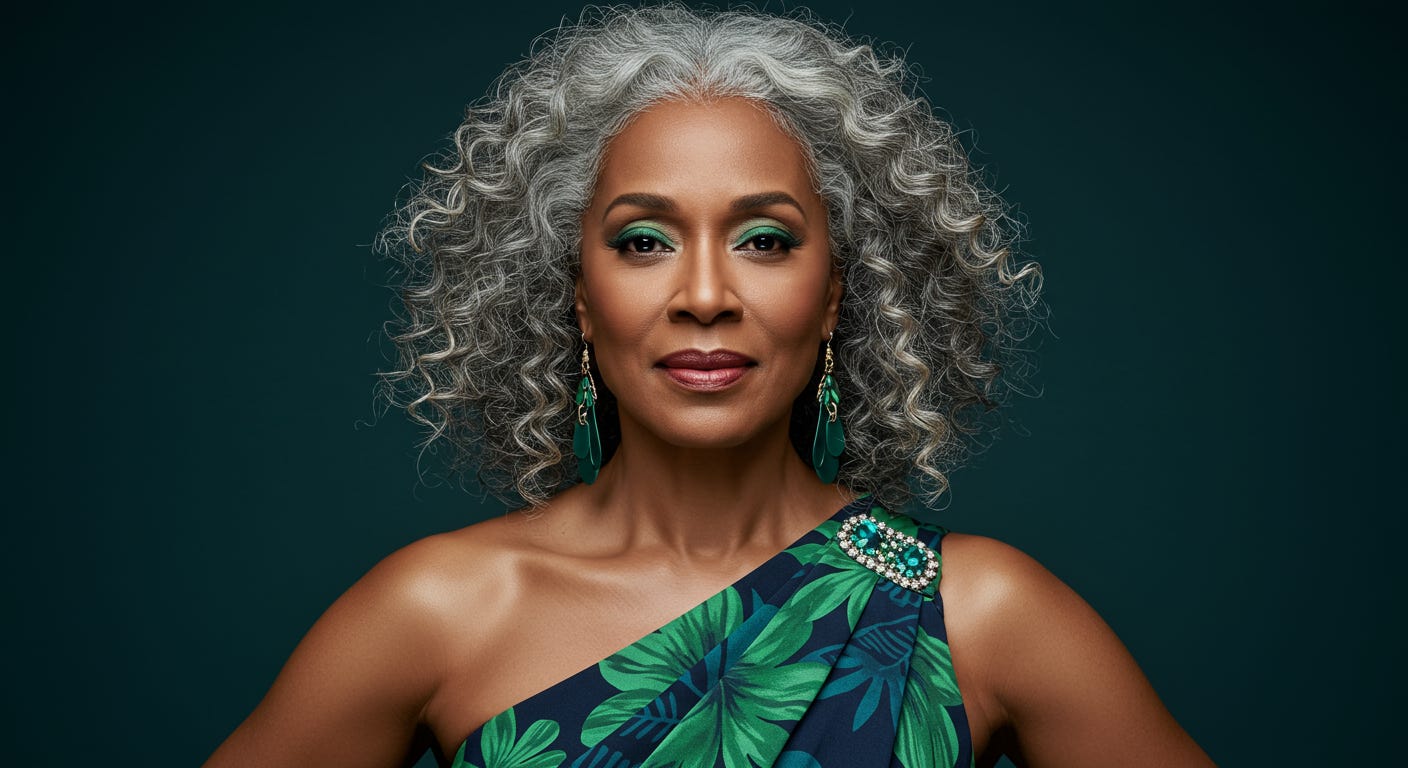
Today, Ageless Sexuality and Wellness
Today, our understanding of midlife sexuality is dramatically different. Maintaining an active sex life in midlife and beyond is seen as vital to healthy aging, supported by feminism, medical progress, media representation, and a thriving wellness culture.
Today, feminism champions inclusivity and age positivity, empowering midlife women to openly discuss sexual fulfillment without shame. Medical advancements have led to innovations in hormonal therapies, lubricants, and pelvic health treatments now effectively address menopause symptoms, helping women maintain intimacy throughout midlife. There are segments of the wellness and longevity culture that continue to promote a lifestyle embracing sexual wellness, longevity, and holistic health. Sexual activity is widely recognized as essential for aging well.
Pop culture continues to raise the visibility of older women. Mostly recently, Demi Moore won a Golden Globe for her performance in The Substance, a film about societal pressures on women's bodies and aging. Her acceptance speech, and her subsequent speeches during award season, gave voice to a generation now in midlife and menopause. Netflix’s show, Grace and Frankie showcased older women's intimate lives and dating with openness and humor, normalizing sexual agency post-menopause. HBO’s And Just Like That…, the modern continuation of Sex and the City, explicitly tackle sexuality, dating, menopause, and shifting relationships, making midlife intimacy a normalized, celebrated conversation.
Today, midlife women are boldly redefining beauty standards and sexual confidence all over social media, proudly showcasing their bodies—in varying states of dress or undress—as powerful statements of empowerment and self-acceptance. Women over 50 increasingly appear on fashion runways and star prominently in major brand campaigns, reflecting a cultural shift that finally recognizes midlife women’s viability, vibrancy, and enduring value.
Open dialogue and bold visibility reflect deeper acceptance and celebration of midlife sexuality and wellness, powerfully affirming that pleasure, confidence, and empowerment have no age limit.
Debunking Myths About Sex and Menopause
Even with decades of progress, some myths around menopause and sexuality linger. Let’s gently correct them with a bit of modern science, shall we?
Myth: Aging inevitably ends sexual activity.
Truth: Research shows that intimacy often deepens with age, as mature couples typically have improved emotional closeness and communication. A landmark 2007 national survey (National Survey of Sexual Health and Behavior) revealed that most adults aged 57–85 continue enjoying sexual intimacy, emphasizing that connection—not age—is the primary factor influencing sexual fulfillment.Myth: Menopause kills libido permanently.
Truth: Libido is influenced by hormones, yes—but also by emotional health, relationship dynamics, and self-connection. Studies confirm that reduced desire during menopause often results from temporary hormonal fluctuations, emotional stress, or relationship strain. Addressing these areas through mindfulness, counseling, or open conversations can significantly enhance or restore libido.Myth: Sexual issues during menopause must simply be endured.
Truth: Modern medical research affirms that menopausal symptoms like vaginal dryness, discomfort, and libido fluctuations can be effectively addressed through personalized hormonal therapies, pelvic floor treatments, high-quality lubricants, and intimacy counseling. Today's medical and wellness resources empower women to comfortably and confidently reclaim intimacy at midlife.
Understanding these truths helps free you from outdated beliefs, inviting you into a more pleasurable and empowered midlife.

Real Women, Real Pleasure
Elena, a vibrant entrepreneur at 53, initially believed menopause had "taken away" her sexuality. But by shifting her mindset, embracing mindfulness, and exploring new forms of intimacy, Elena discovered deeper sensuality and intimacy in midlife than ever before.
Maria, 59, moved from isolation to empowerment when she began open conversations with her husband, exploring extended foreplay and sensual rituals. Her experiences taught her that menopause wasn't an end but a renaissance of authentic sensuality.
Sharon, a 61-year-old retired nurse, found herself single after decades of marriage. Initially hesitant to date again, she gradually reclaimed her confidence through self-discovery, sensual self-care, and connecting with a supportive community of midlife women. Embracing this new chapter, Sharon explored intimacy with curiosity and openness, discovering that pleasure and connection in her 60s could be deeper and more fulfilling than she'd ever imagined.
These women highlight that midlife sexuality isn't limited by age, relationship status, or circumstances. With openness, curiosity, and compassion, pleasure remains beautifully accessible—at every stage.
Practical Steps to Rediscover Pleasure During Menopause
Here are three gentle yet bold ways to reconnect with pleasure during menopause, each offering meaningful, tangible benefits:
1. Reconnect with Your Body’s Wisdom: Engage in mindful breathing, gentle yoga, or sensual self-massage. These practices help reduce stress, enhance body awareness, and reconnect you deeply to sensations of pleasure and comfort, promoting overall emotional and physical wellness.
2. Prioritize Intimate Communication: Honestly discuss your desires, boundaries, and experiences with your partner. Embrace curiosity, viewing intimacy as a shared exploration. Open communication increases emotional intimacy, strengthens relationships, and fosters mutual understanding, making intimacy more enjoyable and authentic.
3. Expand Your Definition of Pleasure: Experiment with new forms of touch, personal rituals, and sensual wellness products designed specifically for midlife sexual wellness. Exploring diverse forms of pleasure empowers you to discover new pathways to sensuality, increases confidence, and ensures intimacy remains satisfying, comfortable, and aligned with your evolving needs.
These simple yet powerful steps support not just sexual wellness, but deeper self-connection and a profoundly fulfilling midlife experience.
Your Pleasure Renaissance Deserves Support
I've guided countless women through midlife transformations. I've witnessed firsthand the empowerment women experience when reclaiming their right to pleasure, intimacy, and joy.
If you're feeling inhibited or stuck but are ready to move beyond menopause symptoms and reclaim desire and intimacy, I'm here for you, because I’ve been there, too. Consider scheduling an introductory call with me, so I can compassionately discuss your unique journey with you.
Menopause is your invitation to a deeper connection to your body, more pleasure, and satisfying intimacy. You deserve nothing less.
Get my FREE guide: The Midlife Intimacy Reset: A Guide to Reclaiming Pleasure, Connection, and Confidence
The Midlife Renaissance is a reader-supported publication. To receive new posts and support my work, consider becoming a free or paid subscriber.