

Midlife, But Softer: The Case for Slow Living and Deep Rest
The Power and Science of Embracing a Soft Life in Midlife and Beyond

A convergence of cultural moments this week has led me to take a closer look at a popular, but healthy, trend. First, on Saturday, March 8, I immersed myself in the haunting melodies of Paris Paloma's Labour as part of International Women’s Day. Labour delves deep into the relentless emotional, mental, and physical burdens women have historically shouldered. I couldn't help but reflect on the collective yearning of women for a more intentional, balanced life.
Then, there was the mixed reception of Meghan Sussex’s (formerly Markle) Netflix series, With Love, Meghan, where her portrayal of an idyllic lifestyle (aka a soft life) sparked conversations about authenticity and societal expectations. I finally watched a couple of episodes, and honestly? I liked the show. Let a girl live, I say.
Finally, the recent observance of Black Women's Day of Rest on Monday, March 10, further underscored the necessity of rest and self-care. These three cultural moments illuminate a powerful message: embracing the principles of slow living and the soft life may be essential for enhancing the quality of life for women—especially for those of us in midlife and beyond.
Why Consider Living a Soft Life?
For decades, we’ve been told that success and worth are measured by how much we do, how many hats we wear, and how well we hold everything together. But a quiet revolution is happening. More and more women, including those in midlife, are stepping back from the relentless hustle and choosing a different way—one that prioritizes balance, well-being, and meaning over perpetual busyness. This is the essence of slow living and the soft life—a lifestyle that values ease, comfort, and intention as an antidote to burnout.
This shift isn’t just about indulgence; it’s a necessity. Midlife is often a time of peak responsibility—careers, relationships, aging parents, changing bodies. Research shows this stress has a disproportionate impact on women’s health. A Johns Hopkins study found that middle-aged women who experience chronic stress are at higher risk for memory decline later in life—more so than men. Scientists believe that stress hormones may play a role in the higher rates of Alzheimer’s disease seen in women. If there was ever a time to embrace a softer way of living, it’s now.
The Science of Slowing Down
Chronic stress isn’t just exhausting—it’s physically damaging. When we’re constantly in go mode, our bodies release an ongoing flood of cortisol and adrenaline, which raises blood pressure, increases inflammation, and wears down our nervous system. Over time, this leads to heart disease, weakened immunity, and accelerated aging. One study even suggests that chronic stress can shave three years off our life expectancy.
But here’s the good news: slowing down is powerful medicine. Studies show that slow living practices—like mindfulness, relaxation, and intentional rest—can lower stress hormones, reduce blood pressure, and improve emotional resilience. Research from Yale found that people with chronic stress who actively worked to slow down and reduce their emotional reactivity literally slowed their aging at the cellular level.
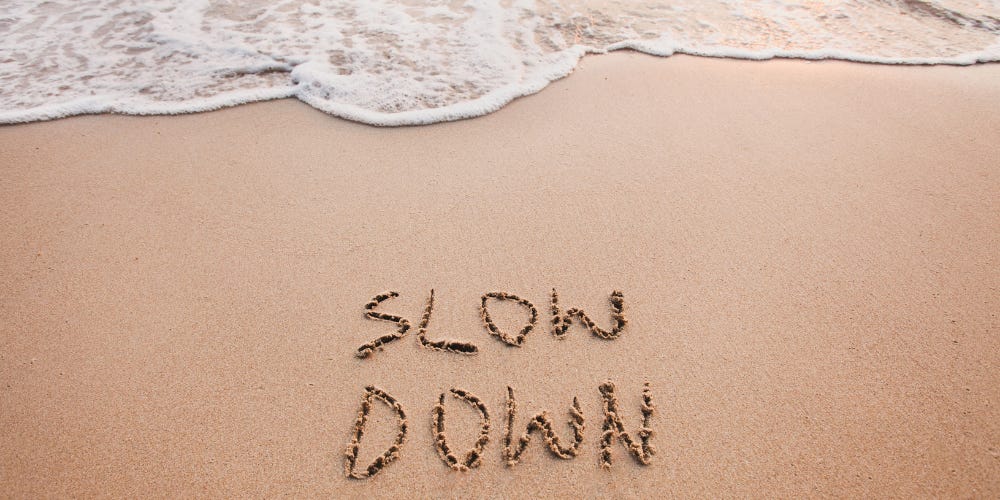
The Emotional and Psychological Benefits of a Softer Life
Beyond the physical benefits, slow living has profound effects on mental well-being. Psychologists have found that when we stop rushing through life, we feel more present—and life becomes more fulfilling. Giving our minds time to rest and wander fosters creativity, problem-solving, and deep thinking. Slower living also allows us to be less reactive and more intentional, reducing anxiety and improving our relationships.
And let’s not forget the spiritual benefits. Across the world’s longest-lived communities (the Blue Zones), people build daily downshifting rituals into their lives—prayer, ancestor remembrance, naps, or time spent in nature. These simple moments don’t just lower stress; they create space for reflection, gratitude, and connection to something greater. Studies have found that even something as small as regular napping can have a positive impact on the risk of heart disease.
The Rise of the Soft Life Movement
If slow living is the philosophy, the soft life is its modern, trendier cousin. Originating in Nigerian influencer culture, the soft life is about intentionally rejecting the idea that life has to be a struggle. It’s a movement that embraces ease, wellness, and the radical act of choosing yourself.
Of course, the concept has been met with skepticism. Some critics argue that it’s unrealistic or unattainable. But as wellness writer Chlöe Pierre explains, “soft life is about making choices that avoid having to live a life in hardship… it’s about wellness in general, and sustainable wellness.”
But this trend is also a direct response to the Girlboss culture of the 2010s that glorified relentless ambition and grinding toward success at all costs. Instead of “sleep when you’re dead” vibes, soft life proponents choose rest now. Joy now. Life now.
This shift didn’t happen overnight. Even before the pandemic, signs of burnout backlash were brewing—from the cozy cottagecore aesthetic that romanticized slow, rural living, to public pushback against toxic overwork in companies (think of the WeWork implosion).
The COVID-19 pandemic then supercharged the movement by forcing people worldwide to pause, reflect, and realize how over-scheduled and exhausted they had been. By 2022–2023, millions were openly questioning the rat race. High-profile voices encouraged rest as an act of resistance: public intellectual Rachel Cargle’s Rest as Revolution essay in 2019, for example, urged Black women to reclaim rest as a form of self-preservation and protest against a culture that equates their worth with labor.
Now in 2025, I regularly coach women in midlife who are dealing with the effects of their girlboss era, now that they have arrived at the age of perimenopause and their menopausal transition. They desperately want to free themselves from the Shibari-like knots that their life has put them in by “doing too much labor.”
A New Chapter of Fulfillment and Wisdom
At its core, choosing slow and soft living is an act of self-respect. It’s about reclaiming one’s time, energy, and presence in a world that constantly demands more from us. For women in midlife, this shift is especially powerful. After years (or decades) of carrying heavy loads, we’re allowed to set them down. We’ve earned the right to be instead of constantly doing.
And here’s the thing: when we slow down, life doesn’t fall apart. Instead, we gain clarity. We strengthen our relationships. We feel healthier, happier, and more at ease.
Paris Paloma’s song Labour gave words to the invisible burdens we’ve carried. Meghan Sussex’s With Love, Meghan sparked conversations about privilege and the pursuit of an easeful life. Black Women’s Day of Rest underscored the necessity—not luxury—of radical self-care. Each of these moments is a collective call to action for all of us to redefine what it means to live well.
The science backs it up. Our hearts know it’s true. And perhaps the best proof? The women who are already choosing to slow down—who are healthier, happier, and living proof that less hustle really does lead to more life.
Feeling the pull to slow down but not sure where to start?
You don’t have to figure it out alone. If the idea of embracing a softer, more intentional life resonates with you—but you’re unsure how to begin—let’s talk.
DM me, and let’s explore simple, practical ways to shift from exhaustion and overwork, to more ease and fulfillment. Because you deserve a life that nurtures you, too.